Learning Beyond the Classroom. Growing for Life.
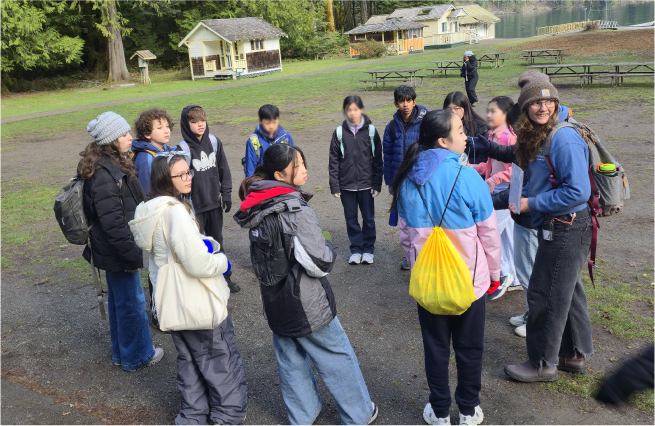
At Eastside Christian School, our “Outdoor EdVenture” program is more than a field trip—it is a formative outdoor education experience designed to deepen students’ understanding of God’s creation, strengthen community, and cultivate confidence and independence at a pivotal stage of development.
Typically offered in 6th grade, this multi-day experience provides students with the opportunity to step outside their daily routines and engage in meaningful, hands-on learning in a natural setting.
Why Outdoor EdVenture?
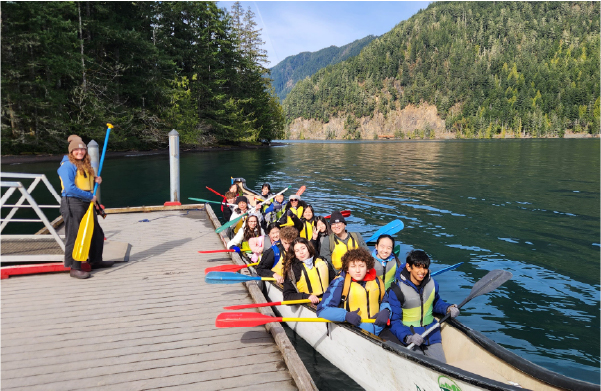
As students transition into middle school in 6th grade, they are ready for increased responsibility, deeper friendships, and new challenges. Our Outdoor EdVenture is intentionally designed to meet students in this season of growth.
Throughout the year in science class, 6th grade students explore the concept of stewardship—learning that caring for God’s creation is both a responsibility and a calling. Outdoor EdVenture serves as a natural extension of this learning, giving students the opportunity to experience and apply these principles firsthand.
Through this experience, students enjoy:
Hands on Learning, applying classroom learning in real-world contexts
Meaningful Community, building lasting friendships through shared experiences
Personal Growth, growing in independence and resilience by taking on new responsibilities
God’s Creation, encountering God’s creation in meaningful and memorable ways
What Students Experience
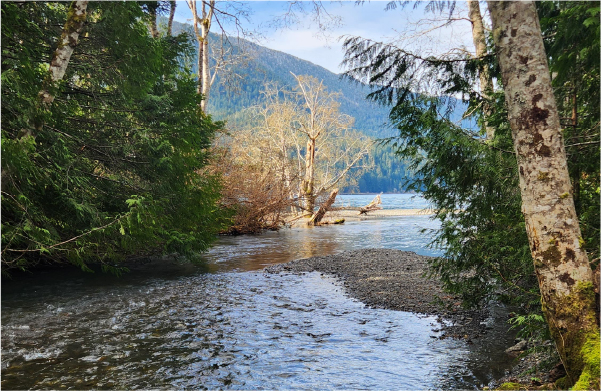
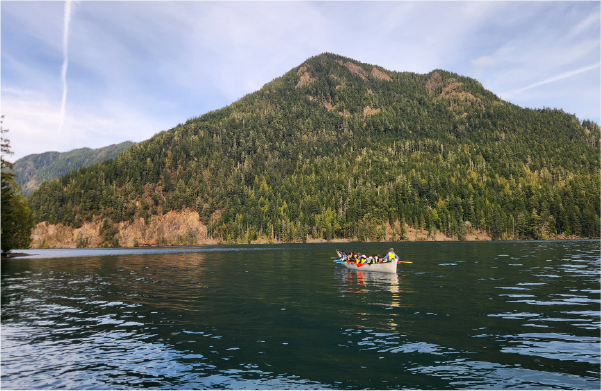
Each Outdoor EdVenture includes a blend of academic exploration, outdoor adventure, and community-building. ECS partners with NatureBridge in Olympic National Park, where students participate in the Watershed Science program—a focused, place-based study of how water shapes ecosystems and sustains life.
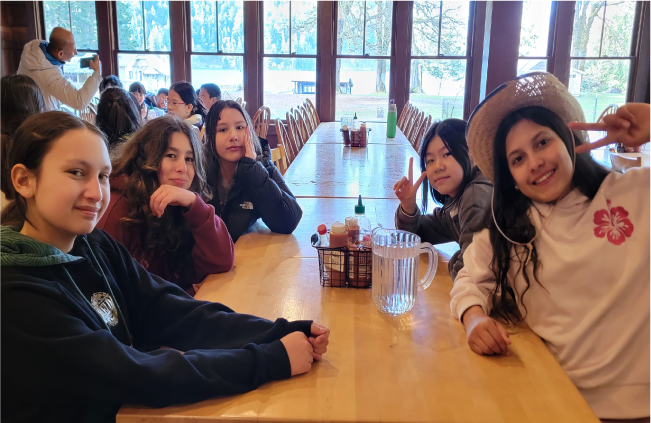
NatureBridge educators work directly with our students throughout the day (approximately 9:00 a.m.–5:00 p.m.) across three full days of instruction—guiding small groups through hands-on scientific discovery in one of the most diverse ecosystems in the country. Students stay in cabins alongside peers and parent chaperones, building community through shared living experiences. Meals are enjoyed together at Rosemary Inn, NatureBridge’s central dining lodge, which serves as a gathering place for the broader learning community.
During their time, students participate in:
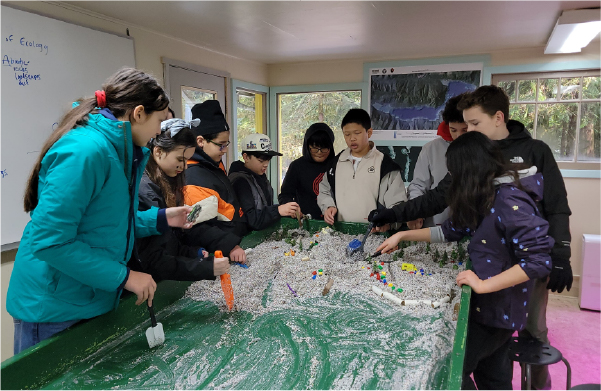
Environmental Science Studies
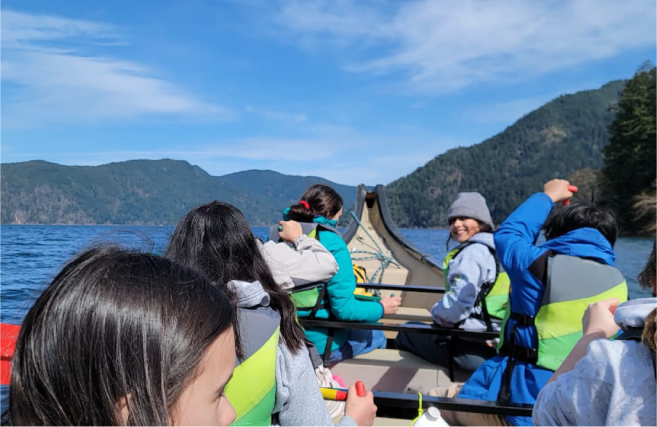
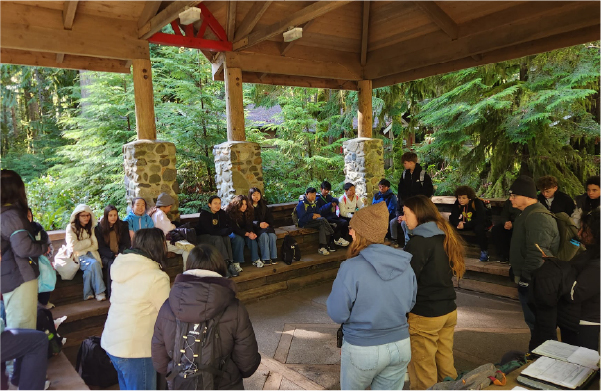
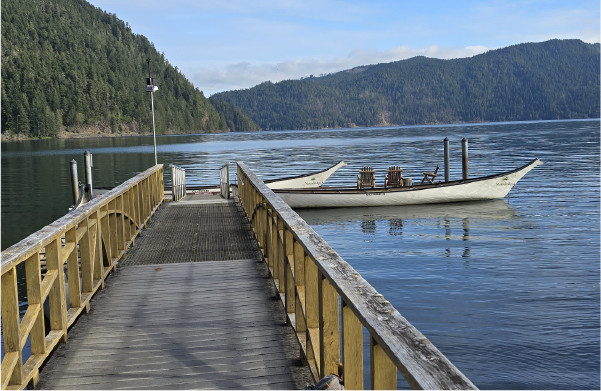
Students investigate watersheds, ecosystems, wildlife, and stewardship through hands-on field studies led by NatureBridge educators. Working in small learning groups, they study the health of Barnes Creek and Lake Crescent, explore the connections between living and nonliving systems, and discover how people can care for God’s creation through wise stewardship.
Outdoor Exploration
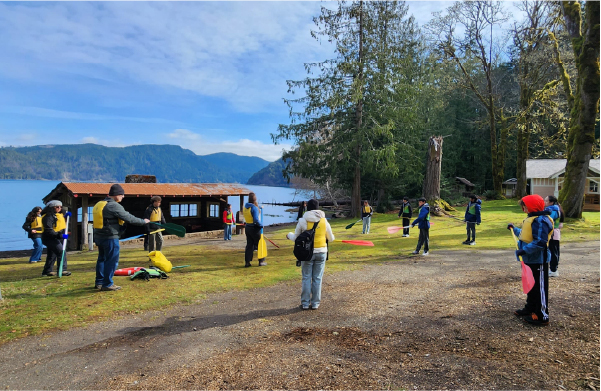
Students hike forest trails, explore old-growth forests, study rivers near their source, and observe the incredible diversity of Olympic National Park. Surrounded by towering trees, crystal-clear waters, and abundant wildlife, every trail becomes an outdoor classroom where science, adventure, and wonder come together.
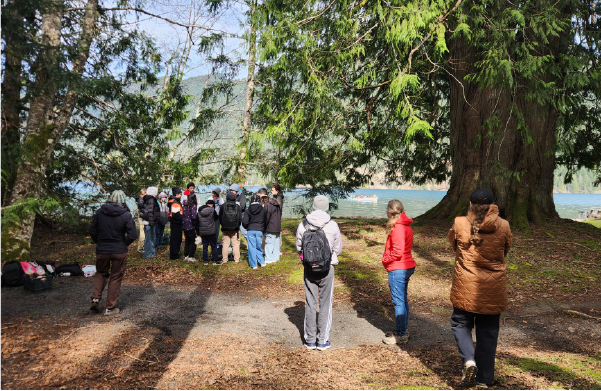
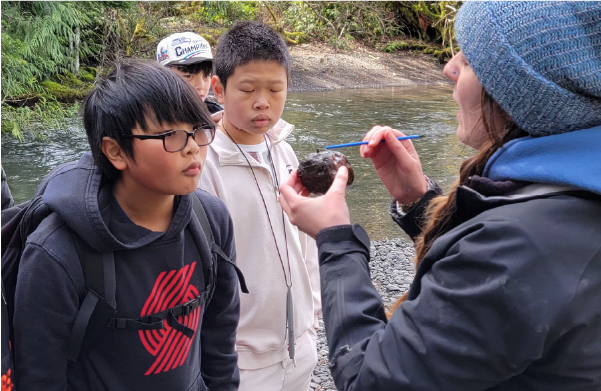
Hands-On Discovery
Field journals, scientific tools, and guided investigations help students ask questions and explore real-world environmental challenges. Students collect observations, analyze water samples, identify plant and animal life, and develop critical thinking skills through inquiry-based learning that brings science to life.
Community Experiences
Shared cabin life, family-style meals in the historic Rosemary Inn, evening programs, and team-building activities foster friendship, belonging, and lasting memories. As students encourage one another and reflect on each day’s experiences, they grow in confidence, strengthen relationships, and build a deeper appreciation for learning together.
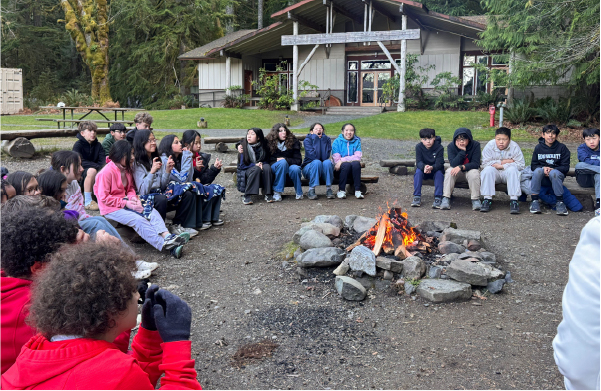
Evenings provide meaningful opportunities to reflect and connect:
• Night 1: A guided discussion on cougars, helping students better understand local wildlife and ecosystems
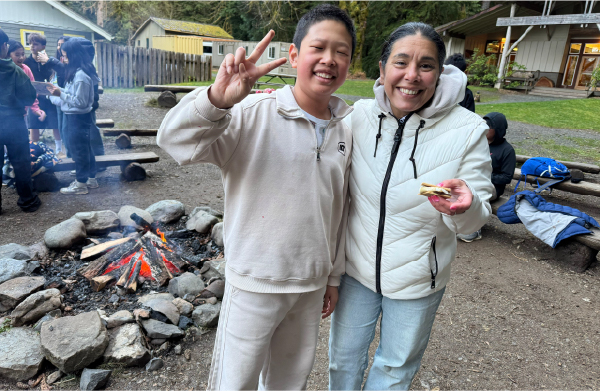
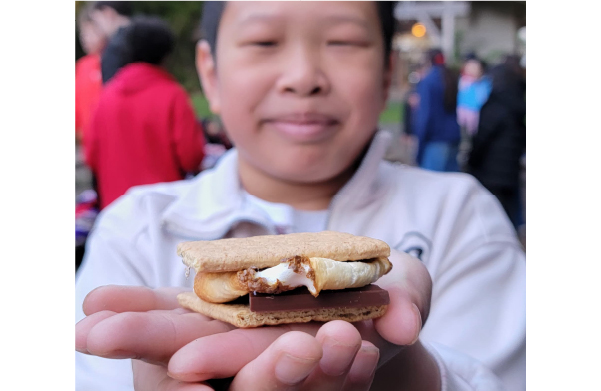
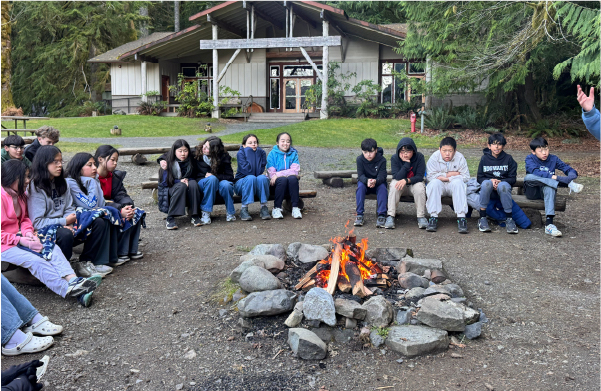
• Night 2: A campfire experience with songs and s’mores, fostering joy, reflection, and community
Throughout the experience, learning extends beyond the classroom as students investigate real ecosystems—developing a deeper understanding of how living things are interconnected and how human actions impact the natural world.
What Students Learn
By the end of the experience, students grow in three key areas:
 Academic Growth
Students deepen their understanding of scientific concepts through direct observation and exploration. They learn to ask questions, think critically, and see the interconnectedness of the natural world—especially through the lens of watershed systems and environmental stewardship.
 Personal Growth
Students develop confidence as they try new things, navigate challenges, and take on responsibility away from home. Many discover they are capable of more than they realized.
 Relational Growth
Living and learning together strengthens friendships and builds a sense of unity within the class. Students practice encouragement, teamwork, and Christ-centered community.
A Christ-Centered Perspective
Led by ECS staff and supported by parent volunteers, our outdoor education provides a unique opportunity for students to experience God’s creation firsthand. Through guided reflection and shared moments, students are encouraged to recognize the beauty and order of creation, grow in gratitude and wonder, and understand their role as stewards of what God has made.
A Meaningful Milestone
For many students, Outdoor EdVenture becomes one of the most memorable experiences of their middle school years. Supported by ECS staff and parent volunteers, students are encouraged, challenged, and cared for as they grow academically, spiritually, and relationally. The experience also serves as a foundation for future EdVenture opportunities in 7th and 8th grade.